Roy N. Sickner
BiographyThe cowboy who pitched The Wild Bunch
Roy N. Sickner was an Arizona-born stuntman who spent two decades inside the picture business — first on horseback doubling some of the era's biggest stars, then in front of the camera as one of the Marlboro Men, and finally as the writer-producer who handed Sam Peckinpah the story that became one of the great American Westerns.
He was born Roy A. Cooley on September 30, 1928, in Arizona. His biological father left the family when Roy was three; his mother soon remarried Lee Sickner, a carpenter at the movie studios, who gave Roy his name and raised him as his own. They settled in West Los Angeles, and Roy went on to University High School — where, as he later observed, he was one of a handful of working-family kids in a neighborhood whose classmates included Robert Wagner and Natalie Wood.
Before he was a stuntman he was a lifeguard in summer, a ski instructor in winter, and briefly a Santa Monica City College student before the army drafted him; he served stateside and never saw combat. He made his screen debut in the 1956 picture Over-Exposed. His way into stunt work came on John Sturges's The Great Escape (1963), where, early in his career, he took a leap from a crane onto a moving train — a stunt the older, established stuntmen had refused. By the mid-1960s he was one of the working stunt doubles of the studio era, riding, fighting, and falling for Marlon Brando, Yul Brynner, Richard Harris, Rod Taylor, and Dub Taylor.
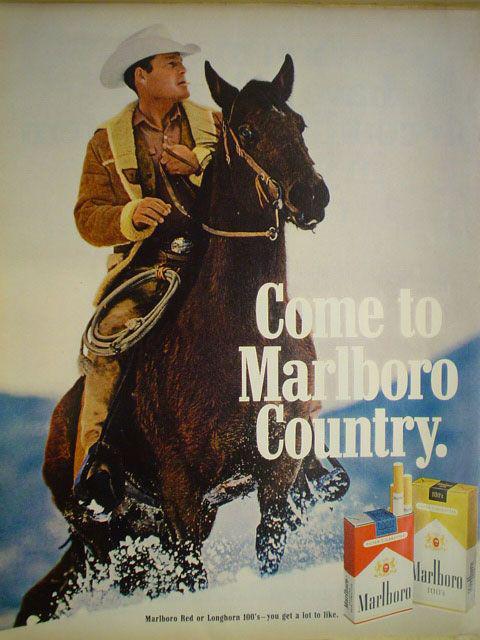
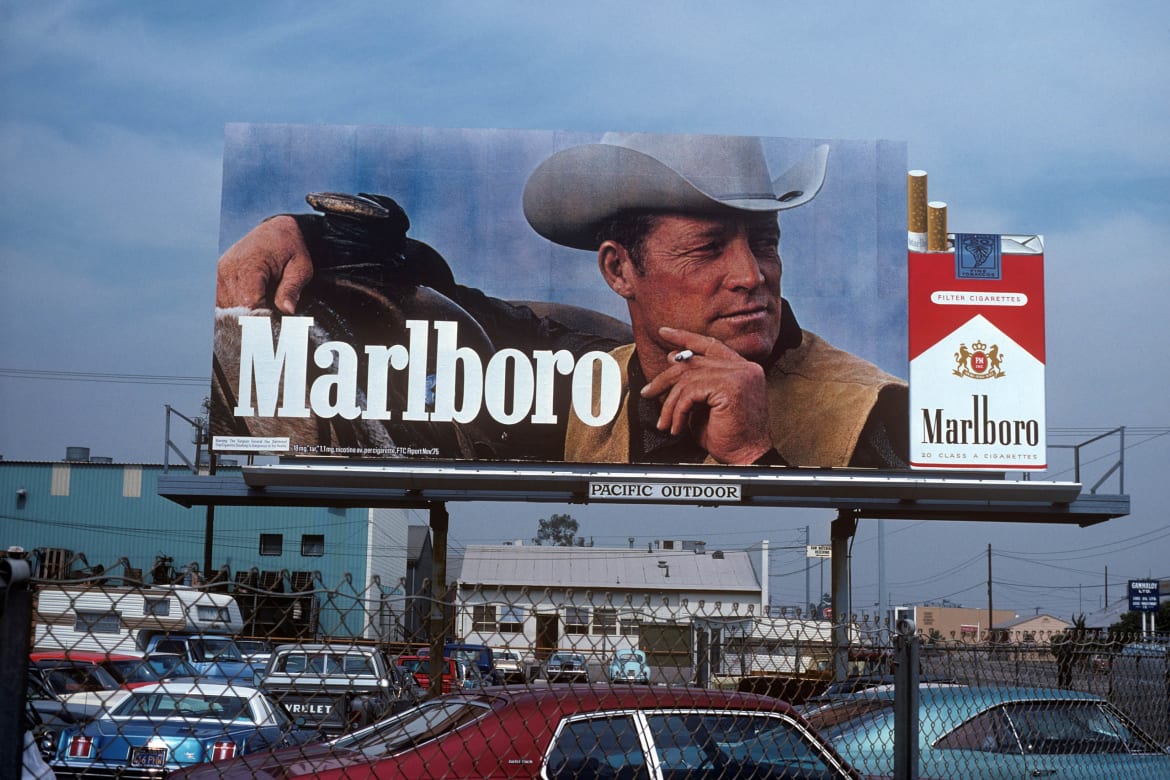
The face that worked in the saddle also worked on a billboard. For roughly twelve years through the 1960s and into the 1970s, Roy posed as one of the Marlboro Men — the print, outdoor, and television campaign that, for a long generation of Americans, defined what a cowboy looked like. He rode in the ads because he could actually ride.
Roy's biggest contribution to the screen wasn't a stunt. It was a story. After working with Sam Peckinpah on Major Dundee (1965), he developed an idea about an aging gang of outlaws making their last run, initially conceived as a vehicle for his friend Lee Marvin. He carried it in his head for nearly ten years — through dropped commitments, rewrites, and studios that did not want a Western told this honestly — before Peckinpah finally directed it. Roy shared story credit with screenwriter Walon Green and stayed on as associate producer.
The film was The Wild Bunch (1969). It earned Roy an Academy Award nomination for Best Original Screenplay at the 42nd Academy Awards in 1970, shared with Green and Peckinpah. In 2006 the Writers Guild of America named it one of the 101 best screenplays of all time. It remained his only writing credit.
He kept working through the early 1970s — The Omega Man (1971) among the last of his on-screen credits.
In 1972, on the set of the television series Cade's County, a stunt jump went wrong. Roy was riding in a jeep meant to clear a ditch when it didn't. The severe head injury he sustained put him in a coma for six months and ended his active career. When he came out of it, he was hospitalized at the Motion Picture & Television Country House until he was strong enough to come home; he lived the rest of his life at the family home in Bel Air, California, with full-time care for the brain trauma he carried.
He was the father of Kane, Kevin, Meghan, and Sean Sickner, and the grandfather of Lucas Sickner.
Roy died on February 15, 2001. He is interred at Westwood Memorial Park.
"Sickner was a Mike Todd. He got things done. He was persevering and ambitious, and when he set his mind to a project he wouldn't let go." — Roy Jensen, fellow stuntman, quoted by Marcia Henning, Los Angeles magazine
"The original story of The Wild Bunch came from Roy N. Sickner, a stuntman who had doubled for the likes of Marlon Brando and Richard Harris." — Santa Fe New Mexican, 'The Wild Bunch' 101
Selected creditsFour careers, one resume
Writing & producing
- The Wild Bunch (1969) — story (with Walon Green); associate producer. Academy Award nominee, Best Original Screenplay, 1970.
Stunt double for
- Marlon Brando
- Yul Brynner
- Richard Harris
- Rod Taylor
- Dub Taylor
Selected film appearances
- Over-Exposed (1956)
- The Great Escape (1963)
- McLintock! (1963)
- Major Dundee (1965)
- Morituri (1965)
- Nevada Smith (1966)
- Wild Wild Winter (1966)
- Planet of the Apes (1968)
- The Wild Bunch (1969)
- The Omega Man (1971)
Television
- The Twilight Zone
- The Man from U.N.C.L.E.
- Voyage to the Bottom of the Sea
- Batman
- Mission: Impossible
- The Wild Wild West
Advertising
- Marlboro Man — print and television campaigns, 1960s–1970s. One of the riders whose face defined the campaign's working-cowboy iconography. (See Marlboro.)
StuntsThe jump the veterans wouldn't take
Early in his career, on the production of John Sturges's The Great Escape (1963), Roy did the stunt the older, established stuntmen had refused: a jump from a crane onto a moving train. That was how he got into the business — not by being asked, but by saying yes to what others wouldn't.
From there he became one of the working stunt doubles of the studio era. Through the 1960s he rode, fought, and fell for some of the most recognizable faces in Hollywood — Marlon Brando, Yul Brynner, Richard Harris, Rod Taylor, and Dub Taylor — and performed uncredited stunt work on The Great Escape, The Wild Bunch, and other pictures across the decade.
Stills and clips coming. Behind-the-scenes photographs and identified stunt scenes from his film and television work will be added here as they're located.
MarlboroMarlboro Country
For roughly twelve years through the 1960s and into the 1970s, Roy posed as one of the Marlboro Men — the print, outdoor, and television campaign that, for a long generation of Americans, defined what a cowboy looked like. He rode in the ads because he could actually ride.
Print and outdoor
Television commercials
More clips coming. Additional spots from Roy's Marlboro tenure will be added here as they're located.
The Wild Bunch (1969)The movie he wrote
Roy carried the story of The Wild Bunch for nearly a decade before it reached the screen — first as an idea for Lee Marvin, then through dropped commitments and studio resistance, until Sam Peckinpah finally directed it. He shared the original-story credit with Walon Green and produced. The film earned him an Academy Award nomination for Best Original Screenplay at the 42nd Academy Awards in 1970, and in 2006 the Writers Guild of America named the screenplay one of the 101 best of all time.
Poster and stills
Poster going up next. The 1969 theatrical poster (William Holden, Ernest Borgnine, Robert Ryan, et al.) will be added here.
Scenes
More scenes coming. Additional clips from The Wild Bunch will be added here as they're selected.
Sources & further readingThe record, in public
Roy's biography is supported by these public archives and reference works. This site links to them rather than restating them.
- Wikipedia — Roy N. Sickner
- IMDb — Roy N. Sickner
- IMDb — Biography
- Wikidata — Q20723867
- TMDB — Roy N. Sickner
- Find A Grave memorial
- Wikipedia — The Wild Bunch
- Wikipedia — Marlboro Man
- Santa Fe New Mexican — 'The Wild Bunch' 101
- Classic Movie Hub
- Marcia Henning, "Roy Sickner," Los Angeles magazine, c. 1973 — print profile (source for the early-life, Marlboro tenure, and origins-of-Wild Bunch details on this page).